Upgrade Your Area: Professional Sliding Doors Expertise for Beauty and Practicality
Reimagining a living area often involves thoughtful design choices. Professional sliding door solutions offer a blend of form and function, rendering them a perfect fit for numerous residences. These installations not only elevate appearance while also maximizing the circulation of light and room. Recognizing the advantages and choices at hand will considerably impact the overall character of a living space. These useful considerations will direct you through the vital elements of installing sliding doors efficiently.
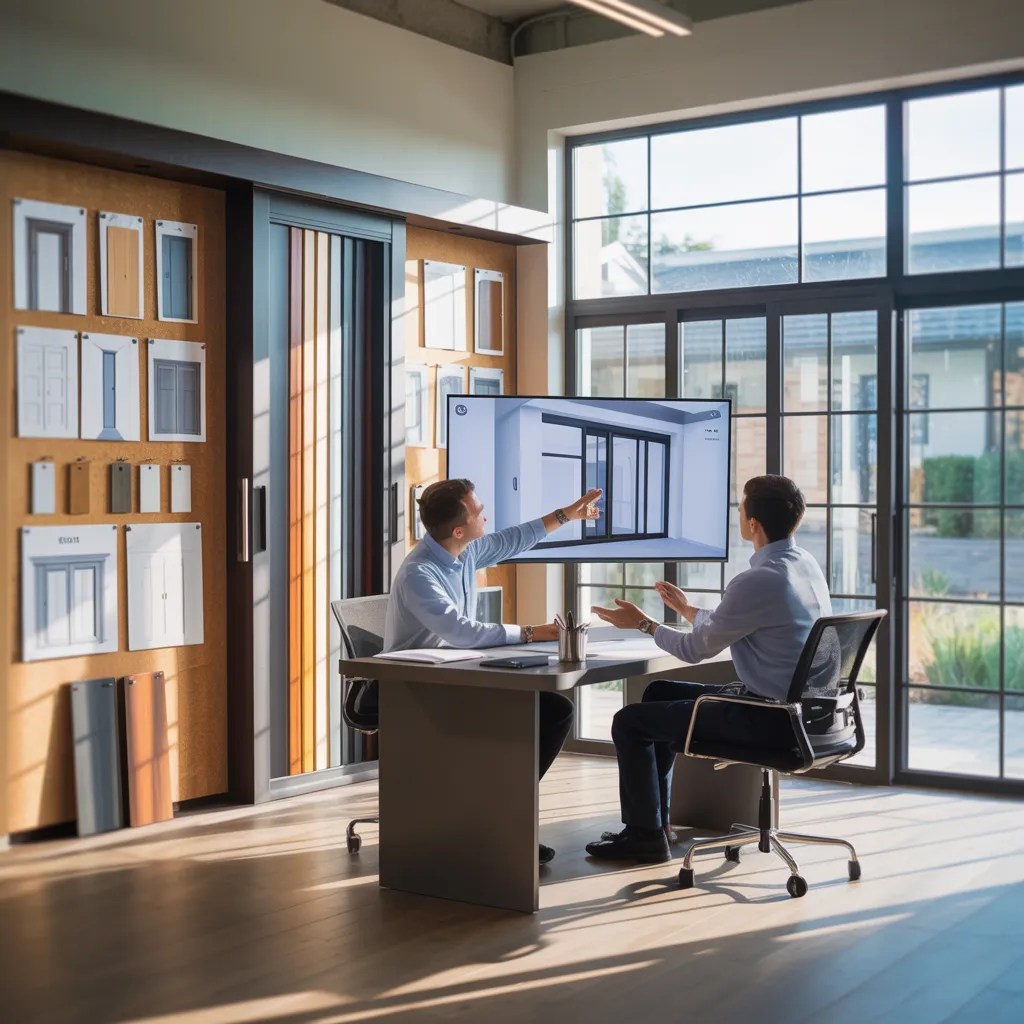
Why Sliding Doors Are Beneficial for Your Home
Sliding doors effectively improve the practicality and visual appeal of a home. They deliver an exceptional balance of design and utility, creating an impression of greater space and openness. By enabling natural light to pour into rooms, sliding doors create an inviting atmosphere while maintaining privacy. Their style commonly features oversized glass panels, which not only enhance room brightness but also deliver unhindered views of the exterior.
In addition to visual appeal, sliding doors offer space-saving benefits. As opposed to standard copyrightd doors, they do not require additional space to operate, making them perfect for compact areas. Additionally, they facilitate seamless flow between indoor and outdoor spaces, providing easy access to balconies, patios, or gardens. Many modern sliding doors also feature energy-efficient glass options, contributing to improved insulation and reduced energy expenses. Overall, the incorporation of sliding doors can considerably improve a home's aesthetic, offering an ideal blend of elegance and practicality.
Sliding Door Installation: What to Expect
When thinking about installing sliding doors, picking the correct style is essential for both appearance and function. Familiarizing yourself with the installation process can help homeowners prepare for a smooth transition. This guide will highlight essential factors and steps involved in the installation of sliding doors.
Picking The Perfect Style
What is the best way to identify the most suitable design for sliding doors? Choosing the correct style requires considering the complete visual appeal of the space and the functionality required. Property owners should assess their interior design preferences, whether modern, traditional, or minimalist, as this will guide their choice. Construction elements serve a vital function; selections including hardwood, glazing, or metalwork can improve both aesthetics and longevity. Moreover, the door arrangement—single, bi-fold, or pocket—needs to match the room dimensions and practical demands. Tone and texture should complement existing decor, creating a cohesive look. In the end, the right sliding door style marries visual appeal with practical functionality, enhancing the home's ambiance while satisfying routine practical demands.
Overview of the Installation Process
The installation process for sliding door installations can significantly affect their functionality and longevity. Usually, this process commences with a thorough assessment of the available area, confirming accurate measurements and compatibility with the chosen door style. Following the selection of proper materials, the installer readies the opening, verifying level alignment and structural soundness.
Next, the track system is fitted, and then the door panels, which are precisely positioned to guarantee optimal performance. Accurate installation is essential to eliminate future complications, such as sticking or misalignment. As a final step, the mounting process ends with thorough adjustments and checks, confirming that the door runs smoothly. Through compliance with these procedures, certified specialists deliver a premium finish that enhances both style and functionality in any space.
Selecting the Ideal Sliding Door Style for Your Space
Which sliding door style best complements a given space can considerably affect its complete look and usability. When selecting a sliding door, it is important to consider the surrounding design elements and the desired use of the door. For contemporary settings, elegant, frameless glass doors can elevate a minimalist design, providing an uninterrupted sightline. Conversely, countryside-inspired spaces may favor barn-style doors, which introduce an element of warmth and personality.
Moreover, materials are a key consideration; wood brings a traditional charm, while aluminum frames provide durability and a modern edge. Color and finish ought to complement the current color scheme to create a cohesive look. Ultimately, the ideal sliding door should work in harmony with the space, weighing design appeal against practical factors including ease of operation and maintenance. By thoroughly assessing these aspects, homeowners can find a sliding door that transforms their surroundings.
How Sliding Doors Boost Natural Light in Your Home
Sliding doors not only enhance the aesthetic appeal of a space but also play a significant role in maximizing natural light within the home. Their wide glass panels permit sunlight to stream in, producing a bright and welcoming environment. Unlike traditional doors, which can obstruct light and views, sliding doors maintain an unobstructed line of sight to the outdoors, making spaces feel larger and more connected to nature.
Additionally, sliding doors that are thoughtfully positioned can illuminate spaces that would otherwise stay dark, such as corridors or compact rooms. This influx of natural light can contribute to a more cheerful ambiance and promote a sense of well-being. Furthermore, many modern sliding doors are designed with energy-efficient glass, ensuring that while they allow light in, they also help regulate indoor temperatures. In summary, sliding doors serve as a practical and stylish option for improving both the brightness and visual appeal of a home.
Boost Space Flow and Functionality With Sliding Doors
Integrating sliding doors within a home's design can greatly enhance space flow and functionality. These adaptable additions create seamless connections between rooms, allowing for greater spatial efficiency. Unlike traditional doors that swing open, sliding doors glide along a mounted track, freeing up floor space and creating a sense of spaciousness in tighter areas.
Their capability to unite indoor and outdoor living zones also promotes improved flow. Residents can conveniently reach patios or gardens, fostering a sense of openness and continuity. Furthermore, sliding doors can serve as stylish room dividers, facilitating adaptable layouts that suit a range of requirements.
With choices offered in a variety of materials and styles, sliding doors can enhance any design preference, from contemporary to traditional. All things considered, the inclusion of sliding doors not only elevates the visual charm of a home but also maximizes its practicality, making them a beneficial upgrade for those who wish to elevate their home environment.
Upkeep Tips for Long-Lasting Sliding Doors
Keeping up with sliding doors is crucial for ensuring their lifespan and effectiveness. A consistent cleaning regimen, along with regular lubrication and alignment inspections, can reduce typical complications and enhance performance. Following these care recommendations will enable homeowners to enjoy their doors for many years.
Regular Cleaning Routine
A regular cleaning routine can markedly enhance the durability and performance of sliding doors. Consistently eliminating dust and debris from the tracks avoids obstructions that may interfere with smooth operation. Employing a soft cloth and a mild detergent helps maintain the glass surfaces, ensuring clarity and aesthetics. It is essential to inspect and maintain the seals and weather stripping to prevent moisture infiltration and potential damage. Moreover, inspecting the door frame for any evidence of damage or debris allows for prompt maintenance. Establishing a cleaning schedule—on a monthly or seasonal basis—can keep sliding doors in peak condition. By focusing on regular maintenance, homeowners can enjoy both the visual appeal and functionality of their sliding doors for the long term.
Lubrication and Upkeep
Keeping sliding doors operating smoothly demands consistent lubrication and upkeep. To keep performance at its best, using a silicone-based lubricant on the tracks and rollers is necessary. This stops dust and debris from accumulating, enabling smooth and effortless sliding. Wiping the tracks clean prior to applying lubricant is strongly suggested, so that dirt cannot hinder the sliding motion. Furthermore, checking the rollers for signs of wear and tear is important; timely replacement can extend the life of the doors. Routinely inspecting metal parts for rust or corrosion can help avoid potential operational problems. By following these maintenance practices, homeowners can ensure their sliding doors remain functional and stylish for years to come.
Essential Alignment Assessments
Consistently performing accurate alignment inspections see more is vital for the durability of sliding doors. Misalignment can lead to functional challenges, increased wear, and further deterioration. To ensure peak function, one should inspect the door's rollers and track for debris, which can interfere with seamless operation. Furthermore, assessing the door's vertical and horizontal alignment is necessary; it should sit evenly within the frame. If the door sticks or leans, modifications may be needed. This can often require tightening or loosening screws on the roller mechanism. Conducting these inspections every few months can reduce the likelihood of greater complications later. This ultimately enhances both visual appeal and functionality. Regular maintenance will contribute to a seamless experience and prolong the lifespan of the sliding doors.
Commonly Asked Questions
Which Materials Are Typically Used for Sliding Doors?
Common materials for sliding doors include wood, glass, aluminum, and vinyl. Each choice presents distinctive aesthetics and usability, permitting homeowners to find options that naturally enhance their interior design and guarantee resilience and simple operation.
Do Sliding Doors Offer Energy-Efficient Solutions?
Sliding doors represent environmentally conscious choices, particularly when fitted with dual or triple glazing panels. Proper sealing and insulation additionally improve their efficiency, limiting heat transfer and preserving consistent indoor temperatures across all seasons.
How Should I Secure Sliding Doors Against Intruders?
To safeguard sliding doors against break-ins, place a security bar or rod in the track, utilize a multi-point locking mechanism, fortify glass with protective security film, and explore adding a motion sensor alarm to further deter intruders.
Is It Possible to Customize Sliding Doors for Unique Spaces?
Absolutely, sliding doors can be tailored to accommodate specific spaces. Various materials, sizes, and designs are available, permitting homeowners to create functional and aesthetically pleasing solutions that elevate both style and security in their surroundings.
What Are the Usual Costs Connected to Sliding Door Services?
Typical costs for sliding door services vary widely, typically spanning from $500 to $2,500 according to materials used, customization needs, and installation requirements. Additional expenses may include hardware and any necessary structural modifications for unique spaces.